

Whole Person Development & Global Competency in Higher Education
Developing Students. Building Global Competencies. Cultivating the Next Generation of Leaders.
Whole Child Development & Educational Well-Being
Supporting Students. Strengthening Educators. Empowering School Leaders
Whole Child Development & Educational Well-Being
Supporting Students. Strengthening Educators. Empowering School Leaders
Preparing a New Generation for a Global World
University represents one of the most significant transitions in a young person’s life.
It is a period in which students are no longer simply preparing academically for adulthood—they are actively stepping into it. They are making increasingly independent decisions, forming identities and relationships, discovering values, navigating uncertainty, considering careers, taking greater responsibility for themselves and beginning to determine how they want to contribute to the wider world.
At the same time, the world they are entering is changing extraordinarily quickly.
Artificial intelligence, digital transformation, global mobility, multicultural workplaces and increasingly interconnected economies are reshaping not only what graduates need to know, but how they need to think, communicate, relate, adapt, collaborate and lead across difference.
Preparing students for this world, therefore, requires more than academic knowledge or professional competence.
It requires global human competency.
Students need the capacity to understand themselves while engaging respectfully with perspectives different from their own; communicate across cultures; navigate unfamiliar environments; build relationships across difference; regulate themselves under pressure; adapt to uncertainty; exercise ethical judgement; collaborate effectively; and take responsibility for the impact they have on others.
At Ignite Relationship Studio, we partner with forward-thinking universities and higher-education institutions to develop these capacities from the inside out.
Our work integrates human development, nervous-system-informed practice, trauma-informed principles, relational development, coaching, global competency development and systems thinking to strengthen students, educators, leaders and the wider university community.
We look beyond the university years themselves.
The student sitting in a classroom today may become tomorrow’s entrepreneur, educator, researcher, executive, policymaker, innovator, community leader or global decision-maker.
Higher education therefore has an extraordinary opportunity not simply to prepare students for employment, but to help develop the human beings who will participate in—and increasingly shape—the world that comes next.
Because the question for the future of higher education is no longer only:
“What competencies will our graduates need?”
It is also:
“Who do our students need to become to thrive, contribute and lead in an increasingly global world?”
Our Approach
Whole-Person & Developmentally Informed
Understanding the developing adult behind the university student.
Entering university does not mean human development is complete.
Young adults continue to strengthen capacities related to self-regulation, identity, decision-making, relationships, independence, executive functioning, and goal-directed behaviour while simultaneously encountering increasing expectations for adult responsibility.
Our approach therefore considers the whole person behind academic performance.
We look at how cognitive, emotional, relational, physiological and developmental factors interact with learning, motivation, behaviour, decision-making and well-being.
This allows support to extend beyond academic performance to develop the internal capacities students need to think independently, regulate themselves, build relationships, navigate uncertainty, make responsible choices, and increasingly direct their own lives.
These same capacities form an important foundation for functioning effectively within diverse, international and multicultural environments.
Trauma-Informed & Mind- Body Approach
Understanding present functioning within the context of lived experience.
Students do not arrive at university as blank slates.
They bring histories of relationships, family experiences, cultural influences, successes, losses, adversity, expectations and patterns developed across childhood and adolescence.
For some, the increased independence and demands of university life can bring previously manageable difficulties to the surface.
A trauma-informed approach does not assume that every challenge is trauma. Instead, it encourages us to understand functioning within context and create environments characterised by safety, dignity, agency, connection and respect.
Rather than asking only “Why isn’t this student performing?”, we become curious about “What might be influencing this student’s capacity to function—and what support could help them move forward?”
This becomes particularly important within culturally diverse communities, where behaviour, communication, relationships and expressions of distress can also be shaped by different cultural experiences and expectations.
Human Ecology, Culture & Systems
Understanding students within the interconnected worlds shaping their lives.
University students exist within complex ecosystems: family, friendships, intimate relationships, academic environments, cultural expectations, financial realities, digital environments, workplaces and increasingly international communities.
For students studying outside their home countries, these systems may span multiple nations, languages, cultures, and family contexts simultaneously.
Our work therefore considers not simply the individual student, but the relationships, environments, cultures and systems surrounding them.
This perspective allows universities to move beyond isolated interventions and consider how institutional culture, belonging, educator relationships, peer environments and support structures collectively contribute to student development and flourishing.
Three Pathways to Support
Our work spans a developmental continuum—from cultivating human potential and global competencies, to navigating difficulty, to developing the self-direction and accountability required for adult life and future leadership.
Development, Potential & Global Flourishing
Identifying potential. Developing human capabilities. Preparing students for a global future.
University is not simply a place for students to discover what they want to do. It is an extraordinary developmental opportunity to discover who they are, what they are capable of and how they want to contribute.
We work with students to recognise strengths, emerging potential and areas for growth while developing capacities such as self-awareness, emotional intelligence, confidence, resilience, communication, relational intelligence, critical reflection, adaptability, leadership and healthy independence.
Within international and multicultural contexts, we extend this development toward perspective-taking, intercultural communication, cultural curiosity, adaptability, collaboration across difference and the confidence to participate effectively in unfamiliar environments.
For students demonstrating particular strengths or leadership potential, individualised developmental guidance can help them understand and intentionally cultivate those capacities.
Understanding & Navigating Difficulties
Looking beyond the presenting challenge to understand what the student may need.
Greater independence does not necessarily mean that students always possess the emotional awareness, language, or self-understanding required to recognise when they are struggling or to articulate what kind of support they need.
Difficulties may instead become visible through academic performance, motivation, procrastination, attendance, relationships, emotional regulation, social withdrawal, conflict, decision-making, stress or changes in everyday functioning.
Rather than treating these expressions simply as problems to correct, we approach them as information.
We explore the developmental, emotional, nervous-system, relational, experiential, cultural and environmental factors that may be contributing to the difficulty, helping students and, where appropriate, university support systems move beyond the visible challenge toward a clearer understanding of what is actually needed.
Ongoing Guidance, Self-Leadership & Accountability
Developing the capacity to lead oneself before being expected to lead others.
Sometimes students are not experiencing a significant difficulty at all. The challenge is learning how to manage freedom.
University life requires young adults to organise themselves, make choices, maintain commitments, manage competing priorities, sustain motivation and take responsibility without many of the external structures that previously guided their lives.
Through a trusted and consistent developmental relationship, students are encouraged to establish goals, reflect on choices, recognise patterns, navigate setbacks and track their own progress while gradually taking greater ownership of their learning and development.
We seek to cultivate intrinsic motivation, self-accountability, and self-leadership so that students progressively move from needing to be managed to becoming capable of managing themselves.
How We Support Universities
A Whole-University Ecosystem of Development
Developing globally competent, emotionally healthy, and future-ready graduates cannot rest solely with a single department or isolated student-development initiatives.
The environment surrounding students matters.
Our services can operate across multiple levels of the university ecosystem—students, international students, faculty, professional staff, leadership and institutional culture—creating opportunities to strengthen both individual human capabilities and the environments in which those capabilities develop.
Student Emotional, Mental & Relational Well-Being
Supporting the human being behind academic performance.
University life can bring academic pressure, uncertainty, relationship difficulties, loneliness, identity questions, family expectations, transition challenges, emotional overwhelm and concerns about the future.
We provide developmentally informed support that helps students understand what they are experiencing while strengthening emotional regulation, self-awareness, resilience, relationships, communication, boundaries and adaptive coping capacities.
These are not simply well-being competencies. They influence how students participate in relationships, collaborate, manage pressure, navigate differences and function within increasingly complex professional and international environments.
Our aim is both responsive and preventative: supporting students when difficulties emerge while strengthening the capacities they will continue to draw upon long after graduation.
International Student Transition, Belonging & Global Adaptation
Helping students move beyond arriving in another country to learning how to belong there.
For an international student, beginning university can involve far more than adapting to a new academic environment. They may simultaneously be adjusting to a new country, language, culture, social environment, and way of life—often while separated from family, established friendships, and familiar sources of support.
Alongside the excitement of studying abroad can be homesickness, loneliness, culture shock, uncertainty, social isolation, pressure to succeed, communication challenges, and the emotional demands of building a life in an unfamiliar place.
We provide dedicated developmental support for international students transitioning into life and study in Thailand, helping them strengthen cultural adaptability, a sense of belonging, confidence, emotional regulation, relationship-building, intercultural communication, independence, and resilience.
Importantly, we view international transition not only as a challenge to manage, but as a powerful developmental opportunity. With the right support, living and studying across cultures can help students develop perspective, cultural humility, adaptability, global awareness and the capacity to build meaningful relationships across difference—competencies that can remain with them throughout their personal and professional lives.
The goal is therefore not simply helping international students adjust. It is helping them belong, develop and become increasingly capable of thriving across cultures.
Global Competency & Intercultural Development
Preparing students to participate meaningfully in an interconnected world.
Global competency is not developed simply through international travel or exposure to cultural diversity. Students need opportunities to develop the human capacities that allow them to engage with difference effectively.
We design developmental programmes that strengthen intercultural communication, perspective-taking, cultural self-awareness, curiosity, adaptability, empathy, collaboration, relational intelligence and the capacity to navigate ambiguity and difference respectfully.
Students are encouraged not only to understand other cultures, but to become more conscious of the assumptions, communication patterns and perspectives they themselves bring into intercultural encounters.
The objective is to develop graduates who can enter diverse environments with confidence, without arrogance, with curiosity without judgement, and with the capacity to build relationships across difference.
Potential, Talent & Future Leadership Development
Developing not only what students can achieve, but who they can become.
Potential is not always visible through grades. We support students in identifying strengths, emerging abilities, interests and leadership potential while exploring the internal or environmental factors that may prevent those capacities from being fully expressed.
Development focuses not only on talent itself but also on the self-awareness, emotional intelligence, resilience, communication, discipline, ethical awareness, relational capacity, and self-leadership required to translate potential into meaningful contribution.
We look beyond students' immediate university experience and consider the people they are becoming: future professionals, entrepreneurs, innovators, community members and leaders whose decisions may eventually influence others.
Leadership development, therefore, begins not with title or authority but with character, self-awareness, responsibility, and the capacity to relate well to other human beings.
Student Coaching & Developmental Accountability
Creating a bridge between university independence and adult self-leadership.
Students can receive ongoing coaching and developmental guidance around goals, motivation, decision-making, transitions, personal development, academic habits and future direction.
Rather than simply telling students what to do, coaching creates a reflective space in which they learn to think, choose, evaluate and take responsibility for themselves.
The long-term objective is independence: developing graduates who require progressively less external management as they develop stronger internal direction.
Faculty & Educator Well-Being
Supporting the people who hold the learning environment.
University educators operate within increasingly demanding environments—balancing teaching, research, assessment, administration, technological change, culturally diverse student populations and their own personal responsibilities.
Their well-being influences the quality of their communication, relationships, decision-making and capacity to remain present with students.
We support faculty and staff in strengthening nervous-system regulation, emotional well-being, boundaries, relational intelligence, communication and reflective capacity, helping create healthier and more sustainable professional environments.
When educators are better equipped to regulate themselves and navigate relational complexity, the benefits extend into the learning environments and human interactions they create for students.
Coaching Culture & Coach Education for University Educators
Moving from transmitting knowledge toward developing human capability.
In an era when students can access extraordinary amounts of information instantly, the educator's value increasingly extends beyond simply possessing knowledge. Educators can become powerful facilitators of critical thinking, reflection, agency, accountability and human development.
Our coach education equips university educators with professional coaching competencies that can be integrated into mentoring, student conversations, supervision, feedback and developmental guidance.
The aim is not to turn faculty into therapists. It is to strengthen their capacity to hold conversations that help students think independently, discover possibilities, take ownership and develop from within.
Human-Centred, Trauma-Informed & Global Leadership
Creating institutional cultures capable of leading diverse human communities.
Universities themselves are increasingly multicultural organisations. Leaders may be responsible for students and colleagues representing different nationalities, languages, generations, cultural expectations and ways of communicating.
We work with university leaders to strengthen coaching-informed, relationally intelligent, culturally responsive and trauma-aware approaches to communication, psychological safety, conflict, staff well-being, decision-making, inclusion and organisational change.
Human-centred leadership asks an essential question: How do we continue to advance academically, globally, and technologically while ensuring that the people within our systems remain seen, heard, respected, and able to flourish?
Future-Ready Human Competencies
Developing the human capabilities that an increasingly technological world makes even more important.
Artificial intelligence is transforming how information is accessed, produced and applied. This creates an opportunity for universities to place renewed emphasis on capabilities that require deeply human participation: critical reflection, emotional and relational intelligence, communication, ethical judgement, creativity, adaptability, collaboration, cultural intelligence, self-awareness and leadership.
Preparing students for an AI-enabled global future therefore requires more than technological competence. It requires developing students who know how to use powerful tools while retaining judgement, agency, responsibility and humanity.

Workshops, Masterclasses & Developmental Programmes
Turning Competencies Into Lived Capabilities
Competency development becomes meaningful when students can translate knowledge into how they think, communicate, relate, decide and act.
Our programmes can begin with a single targeted workshop or masterclass and, where appropriate, develop into multi-session developmental programmes, student coaching initiatives, faculty development, professional coach education or longer-term institutional partnerships.
Rather than requiring universities to select from predetermined programmes, we can also work collaboratively with institutions to design interventions tailored to their student population, internationalisation strategy, competency frameworks, and institutional priorities.
Professional Coach Education & International Accreditation
Developing Capability Through Globally Recognised Coaching Standards
Our wider work is supported by Ignite Global's professional coach education infrastructure, with qualifying coach education programmes accredited by the International Coaching Federation (ICF).
ICF-accredited coach education is designed around internationally recognised professional coaching competencies and ethical standards, providing universities with the opportunity to move beyond isolated coaching interventions and to develop sustainable coaching capability within their own people.
Where appropriate, professional coach education can be offered to educators, student development professionals, mentors, and university leaders whose roles involve supporting human learning, development, and performance.
From bringing external coaching into the university to developing coaching capability within the university.
- Educators can strengthen the quality of developmental conversations they hold with students.
- Leaders can integrate coaching approaches into their people and team development.
- Student-development professionals can expand their capability to facilitate reflection, agency, accountability and growth.
Depending on the specific programme and accreditation pathway undertaken, qualifying ICF-accredited coach education may also contribute toward professional coaching credential pathways.
Partnering With Universities Developing the Next Generation of Global Leaders
The universities that define the next era of higher education will not be distinguished only by the information they teach.
Information is becoming increasingly accessible.
Their distinction will increasingly lie in the human beings they develop—and how prepared those human beings are to participate responsibly in a global world.
Today's university students will enter workplaces, organisations and communities that cross national, cultural and technological boundaries. Some will lead teams. Some will build organisations. Some will influence communities, industries and public systems. Many will work alongside people whose experiences, cultures, values and perspectives differ substantially from their own.
Preparing them for that future requires looking beyond higher education itself.
Academic excellence and professional competence remain essential. But sustainable success in international and multicultural environments also requires the capacity to understand oneself, communicate across difference, regulate under pressure, adapt to unfamiliarity, build relationships, exercise ethical judgement, collaborate, take responsibility and lead with humanity.
These capacities do not suddenly appear at graduation.
They must be intentionally cultivated.
This is where we believe universities have an extraordinary opportunity.
We partner with progressive, globally minded universities and forward-thinking educational leaders who recognise that global competency development is not an additional activity sitting beside academic education. It is part of preparing students for the realities of the world they are about to enter.
Sometimes that begins with a workshop on intercultural communication.
Sometimes it means helping international students transform cultural transition into developmental growth.
Sometimes it involves cultivating future leaders, strengthening student well-being, developing faculty coaching capabilities or creating more human-centred institutional cultures.
Each intervention strengthens a different part of the same developmental ecosystem.
Because becoming career-ready matters.
Becoming globally ready matters.
And becoming humanly ready matters too.
When universities intentionally develop the whole person, they do more than prepare graduates to participate in the future.
They help develop the globally competent, self-aware and responsible human beings who will lead it.
Strategic Guidance
Leadership Team
Fernando Hettiyadura
Founder and Strategist Learn More →
Lux Hettiyadura
Director for Child/Adolescents Development & Parenting Programs Learn More →
Adelina Stefan
Director Europe - Switzerland Learn More →

Gochi Ossai
Ignite Global Regional Partner (Africa) Learn More →
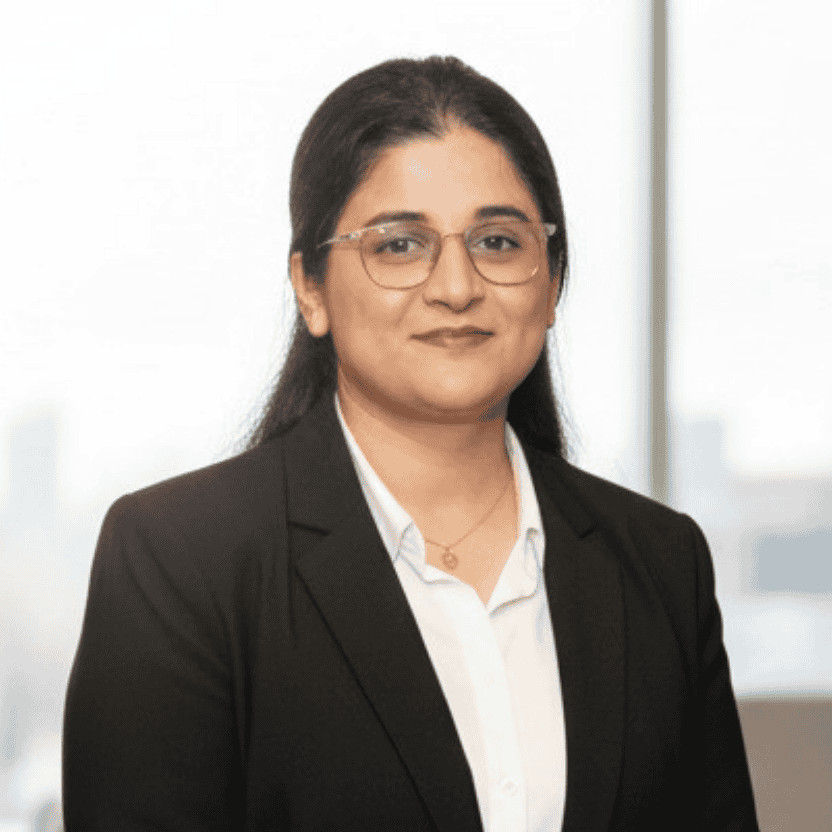
Sundas Khan
Ignite Global Regional Partner (South Asia & The Middle East) Learn More →
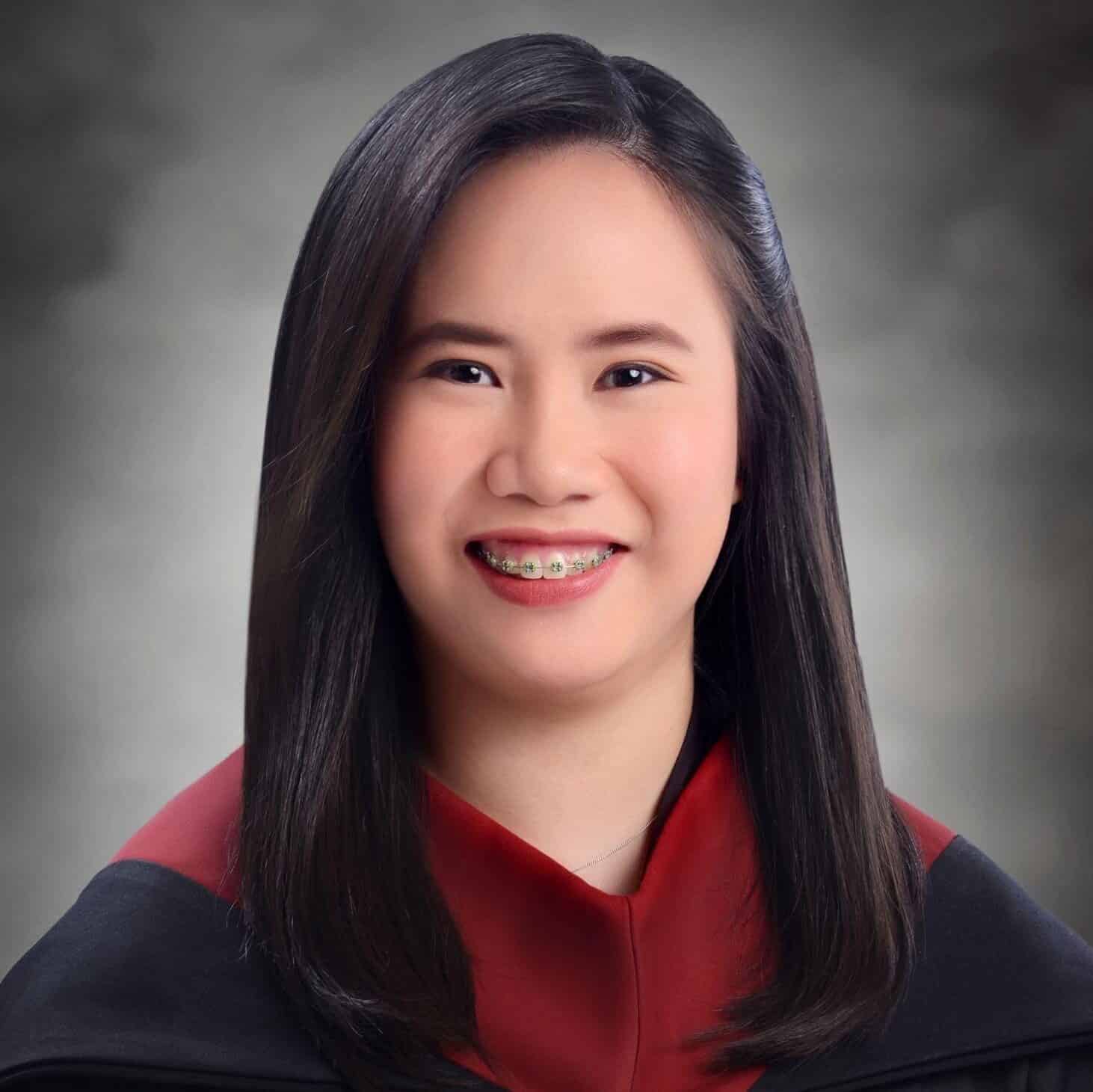
Leah Rumaguera
Communications & Relationships Officer Learn More →
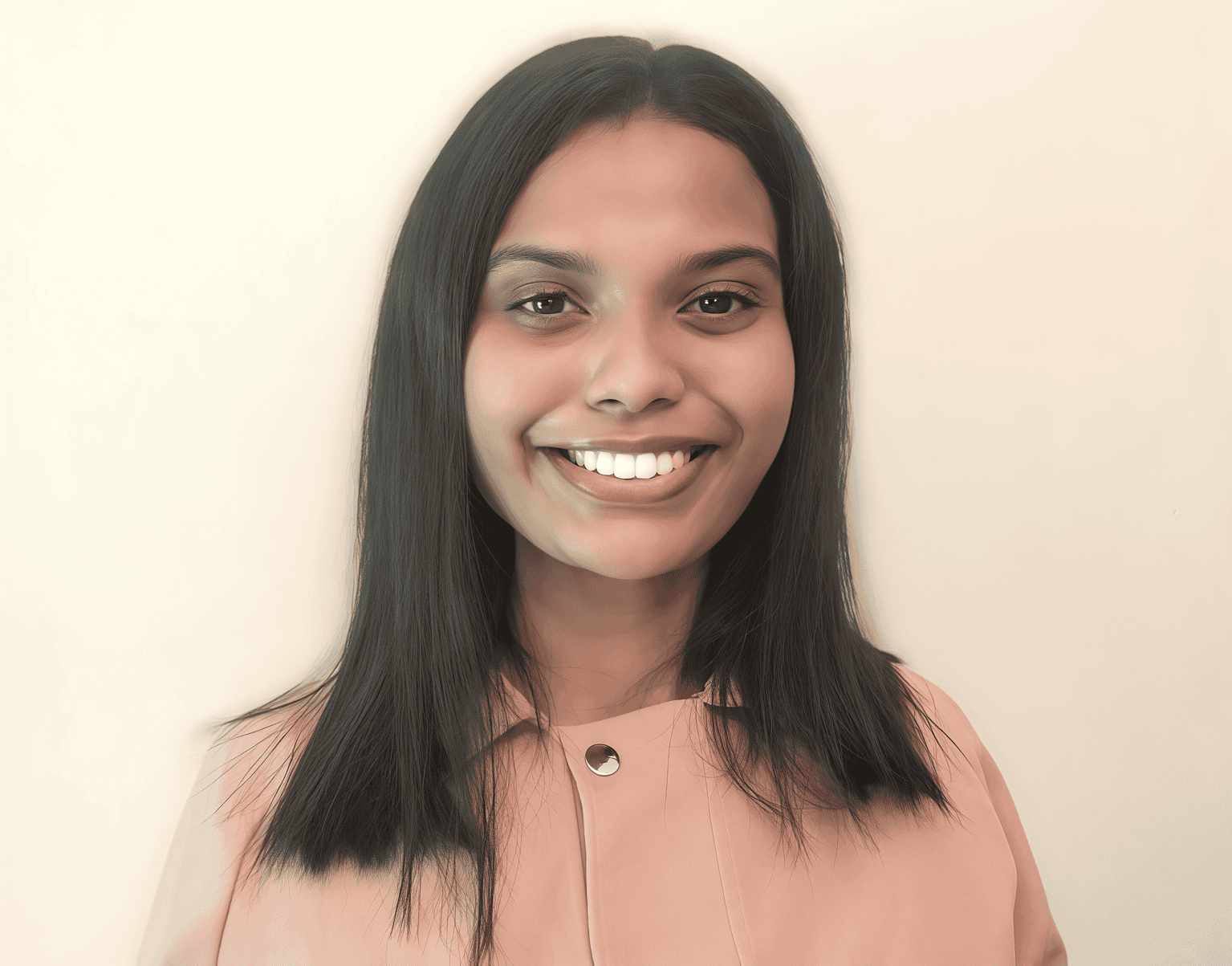
Bemindu Jayodha
Junior WordPress & Elementor Web Designer Learn More →
Hansima Weliwattha
Junior Digital Marketing & Design Associate Learn More →

Upeksha Senevirathna
Junior Digital Marketing & Design Associate Learn More →Academic Excellence
Ignite Global Faculty

Aida Akstiniene
Integrated Growth Coach | Personal, Group & Team Development

Julie Landau
ICF-certified Executive and Team Coach

Francisca Bruning
Executive and Empowerment Coach | PCC
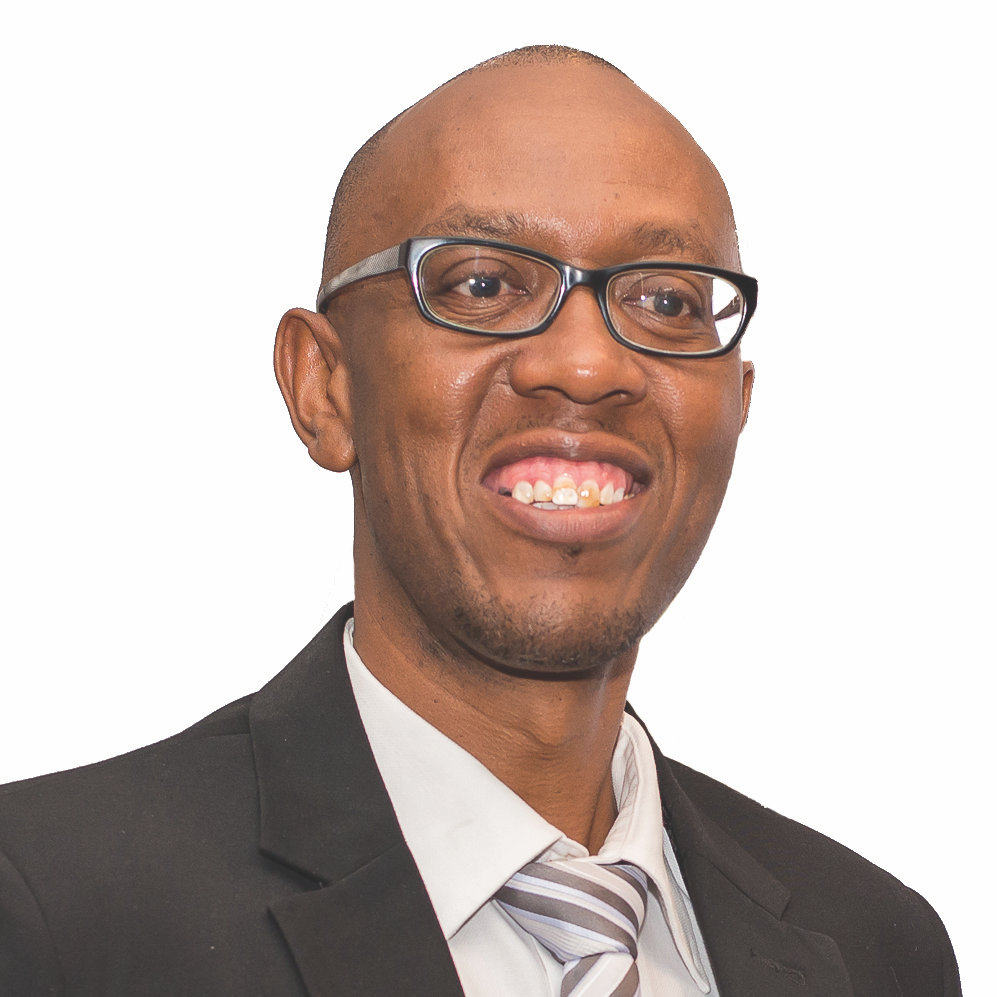
Kimunya Mugo
Certified Coach, Board Affairs, Strategy Advisor, Leadership Speaker
Geneva Cooper
Group and Team Coach
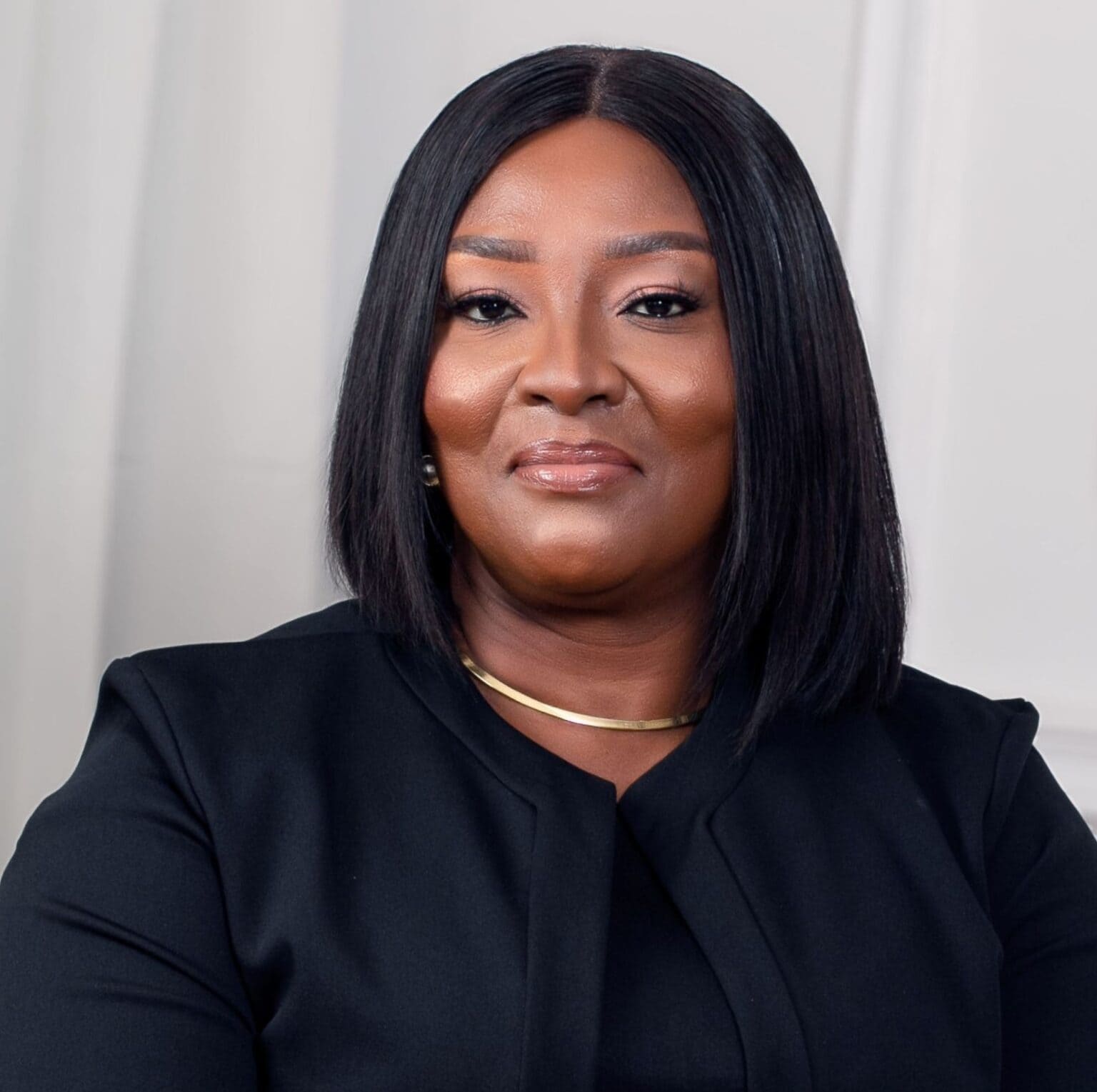
Ugochi Ossai
Executive & Leadership Coach

Anne Rousseau
Certified Group and Team Coach

Michelle Arscott
PCC, Life & Workplace Coach
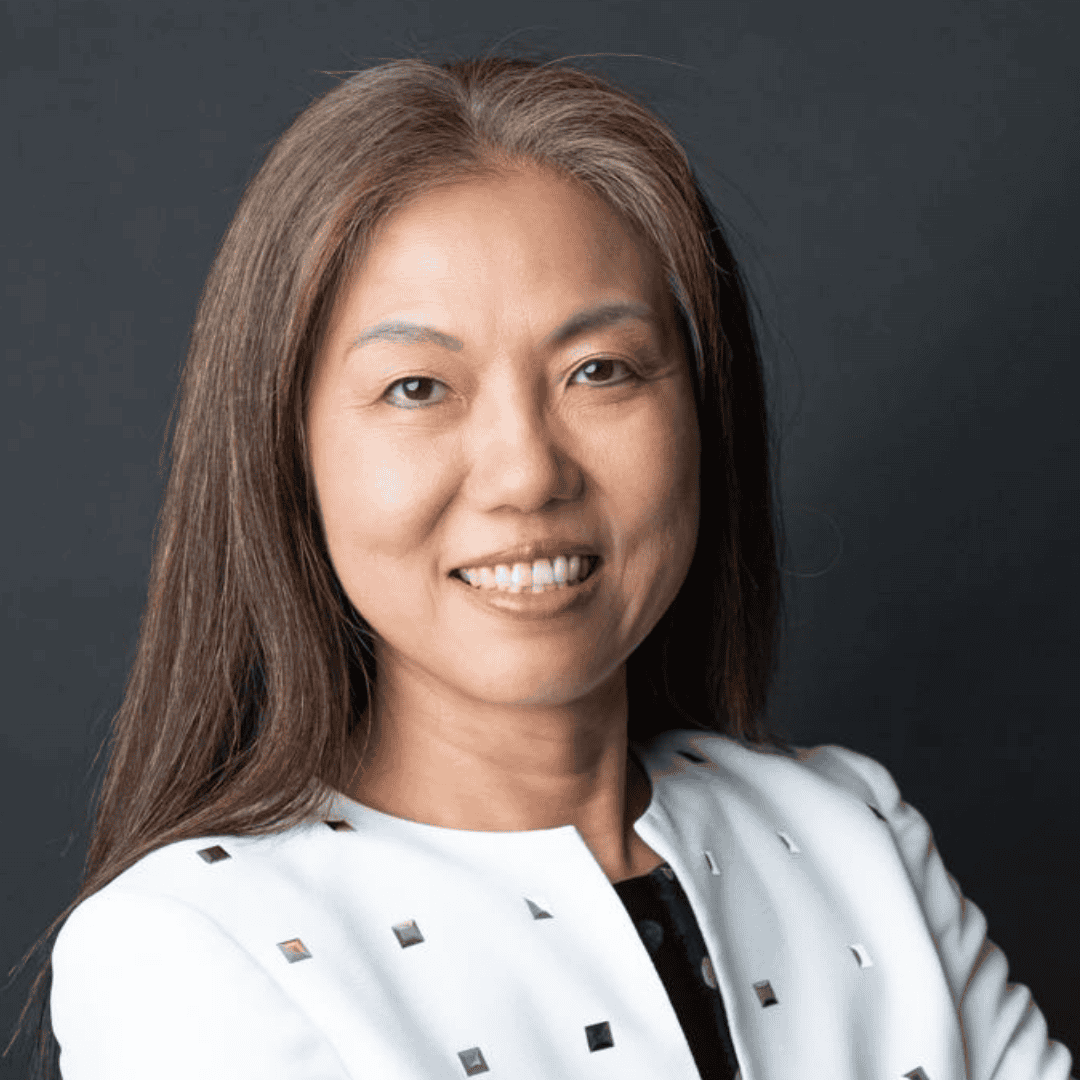
Kate Shi
Certified Management Coach, PCC, ACTC, PMP
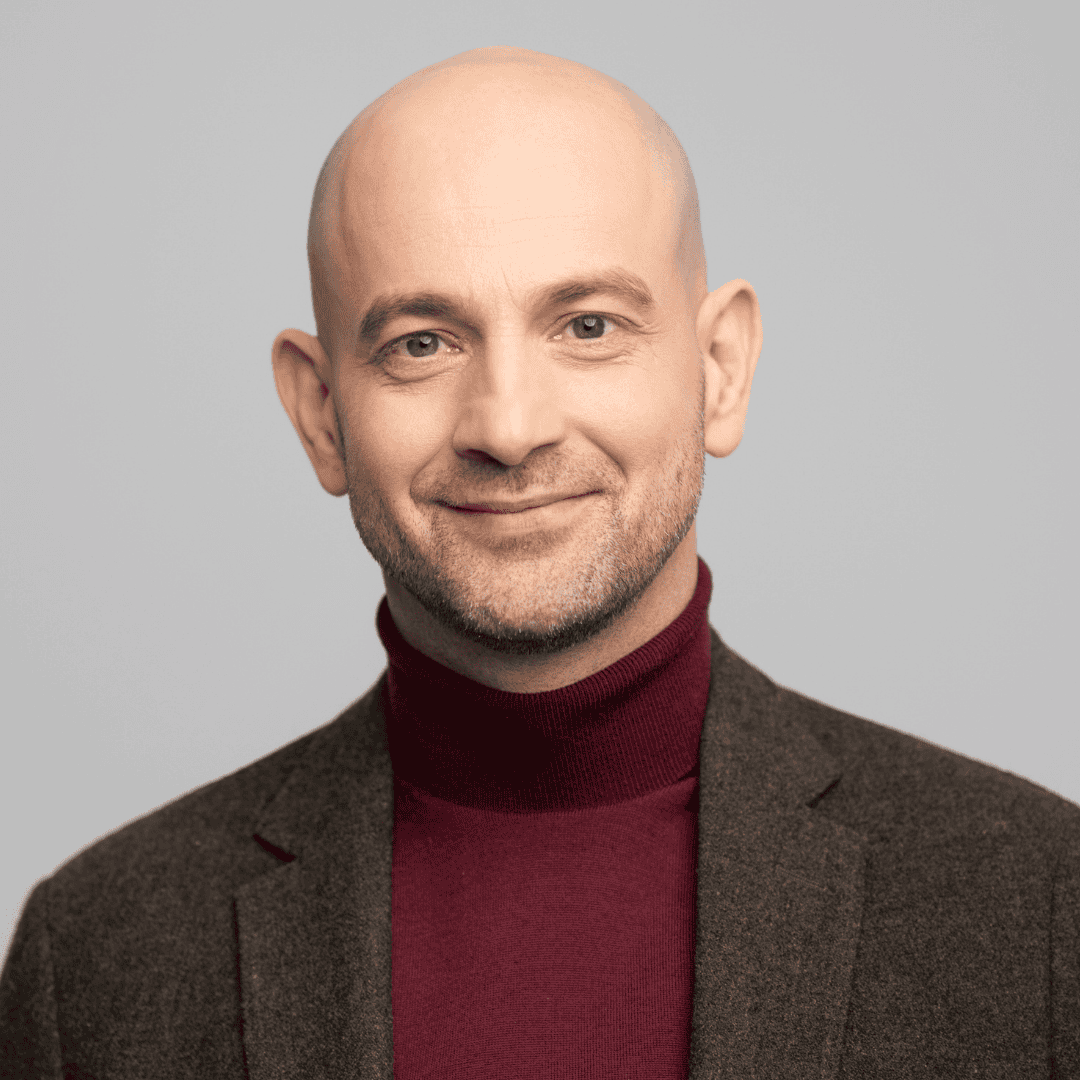
Miroslavas Monkevičius
ICF ACC, Executive & Team Coach